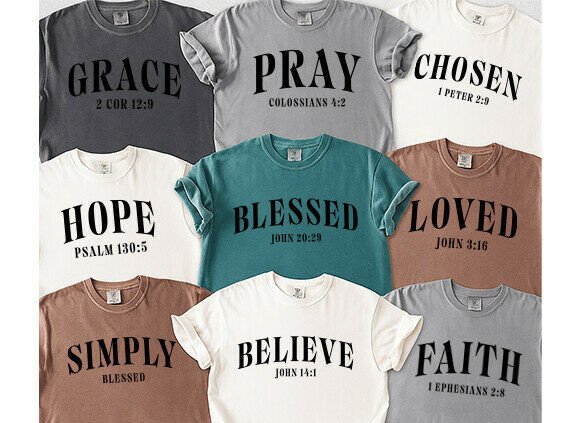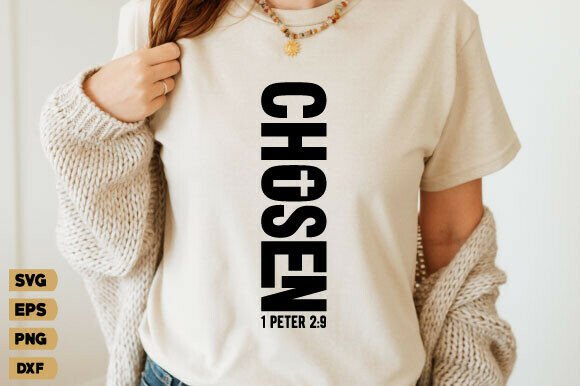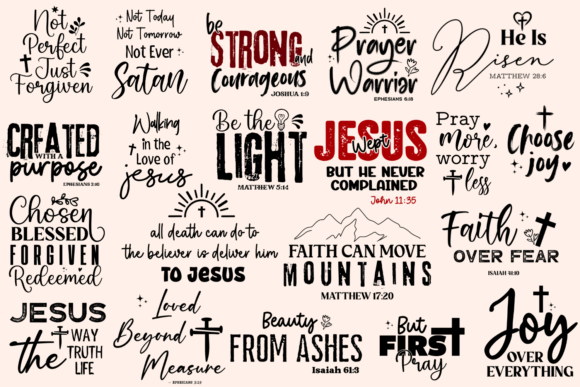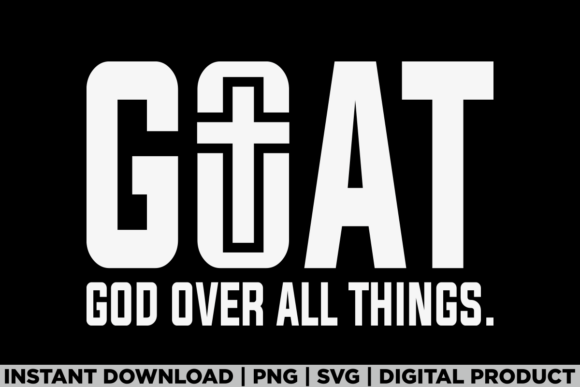
WWJD Christian SVG Graphics for T-Shirt Designs
As someone who’s launched over 200 digital product listings across Etsy, Creative Fabrica, and Shopify—and built a six-figure print-on-demand side hustle—I opened WWJD What Would Jesus Do Christian SVG expecting either a quick win or a file I’d need to rework. What I found was a clean, versatile graphic design asset that fits neatly into multiple commercial workflows—if used intentionally.
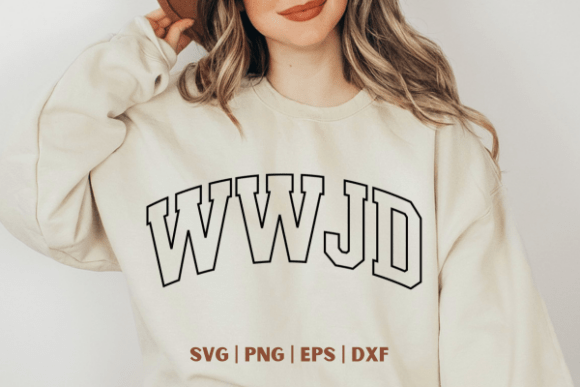
The first impression? Calm, reverent, and quietly confident—not flashy or trendy, but deeply niche-aligned. It leans into classic Christian symbolism with modern clarity: balanced spacing, legible lettering, and a centered cross motif that reads well at scale. It doesn’t try to be playful or minimalist; instead, it occupies that thoughtful middle ground—elegant enough for wall art, sturdy enough for t-shirt designs, and scalable enough for sublimation mugs or tote bags. Its audience is clear: faith-driven shoppers, church volunteers, small-group leaders, homeschool families, and gift buyers seeking meaningful rather than decorative.
This isn’t just clipart—it’s a commercial design built for real-world use. The Zip File contains four production-ready formats: one SVG (ideal for Cricut and Silhouette users), one PNG with transparent background (perfect for Canva templates and social media graphics), one EPS (for vector editing in Illustrator), and one DXF (for CNC and laser-cutting workflows). All files are rendered at 300 DPI on a 1000 x 1000 pixel workspace—meaning no pixelation when scaled up for large-format prints or down for planner stickers.
I tested WWJD What Would Jesus Do Christian SVG across five product categories before publishing anything: printable wall art, t-shirt designs, sublimation tumblers, Canva-based greeting card templates, and Cricut-cut vinyl decals. On mockups, it held visual hierarchy beautifully—especially against soft neutrals like oatmeal, sage, or navy. It performed strongest in lifestyle-oriented listings: think “faith-based nursery print,” “Christian women’s apparel bundle,” or “church camp giveaway kit.” Its quiet tone builds trust quickly—customers scanning thumbnails instantly recognize intent and sincerity, which boosts click-through potential on crowded marketplaces.
Where it shines most is in cohesive product presentation. I bundled it with two complementary serif fonts (one traditional, one slightly softened) and paired it with a subtle linen-textured background in my Canva template previews. That small detail elevated perceived value—shifting it from “generic clipart” to “thoughtfully curated design asset.” For Etsy sellers, that nuance matters: customers pay more for consistency, not just content. I also used the SVG version to generate layered mockups (e.g., t-shirt + mug + sticker sheet) showing how one asset anchors an entire collection—reinforcing brand identity without needing custom illustrations for every item.
It works exceptionally well in themed bundles: Easter collections, back-to-school faith kits, baptism gifts, or “daily encouragement” digital downloads. As a printable design, it scales cleanly to 8x10, 11x14, and even 16x20 without thin lines collapsing. As a t-shirt design, it avoids common pitfalls—no tiny interior cutouts, no overlapping strokes that confuse cutting machines, and no gradient fills that don’t translate to screen printing. The PNG holds transparency flawlessly, and the SVG paths are closed and simplified—critical for reliable Cricut projects.
That said, there are places to proceed carefully. Don’t force it into ultra-dense layouts—like multi-element scrapbooking kits or text-heavy blog banners—where its calm tone gets visually drowned. Avoid placing it directly over busy patterns or dark backgrounds without testing contrast first; while the black-and-white version is strong, some variations include light gray outlines that fade on charcoal. Also, skip using the PNG for embroidery digitizing or very small sticker sheets (<1 inch)—the fine line weight doesn’t hold at micro-scale.
Before listing, I ran these practical checks: previewed the thumbnail at 200px width (does it read clearly?), tested the SVG on both Cricut Design Space and Silhouette Studio (clean cut lines? no stray nodes?), verified PNG transparency in Photoshop, printed a sample on matte cardstock (no color bleed), and checked licensing terms—yes, it includes full commercial license for physical and digital resale, including POD platforms. I also organized customer-facing files with clear naming: “WWJD_SVG”, “WWJD_PNG_Transparent”, etc.—small thing, but it reduces support requests.
Font pairing made a surprising difference. With a bold sans serif, it felt modern and approachable—great for youth group merch. With a classic serif, it leaned traditional—ideal for church bulletin inserts or wedding favor tags. A gentle script font added warmth for greeting cards, while a display font gave punch to social media graphics. None required editing the original file—just smart layering in Canva or Illustrator.
For digital product creators building template shops, this is low-effort, high-return design assets. Drop it into a Canva invitation template, add editable text fields, and you’ve got a sellable digital download in under 10 minutes. Pair it with a matching scripture quote in your next printable planner bundle. Use the DXF version to create laser-cut wood ornaments for seasonal listings. Repurpose the PNG as a watermark-free blog graphic—no attribution needed under the commercial license.
What sets WWJD What Would Jesus Do Christian SVG apart isn’t novelty—it’s reliability. In a space where many Christian graphics veer too cutesy or overly ornate, this stays grounded, scalable, and production-ready. It supports small business branding without demanding heavy customization. And for sellers balancing time, quality, and profit margins? That kind of consistency is rare—and valuable.
If you’re curating a new Etsy product line, refreshing your POD catalog, or building a seasonal digital download shop, treat this as a foundational graphic design asset—not just another t-shirt design, but a flexible, trustworthy piece of your creative marketplace toolkit.